

Many stories. One home.
Many stories. One home.
Nasz Dom Belfast is a year-long heritage project recording the migration stories of Belfast's Polish and ethnic minority communities.
Our aim is to collect, preserve, and share these personal journeys, hoping to weave many different voices into our collective story.
Together, we want to explore the legacy of our community and celebrate what it means to build a shared home from many different stories.
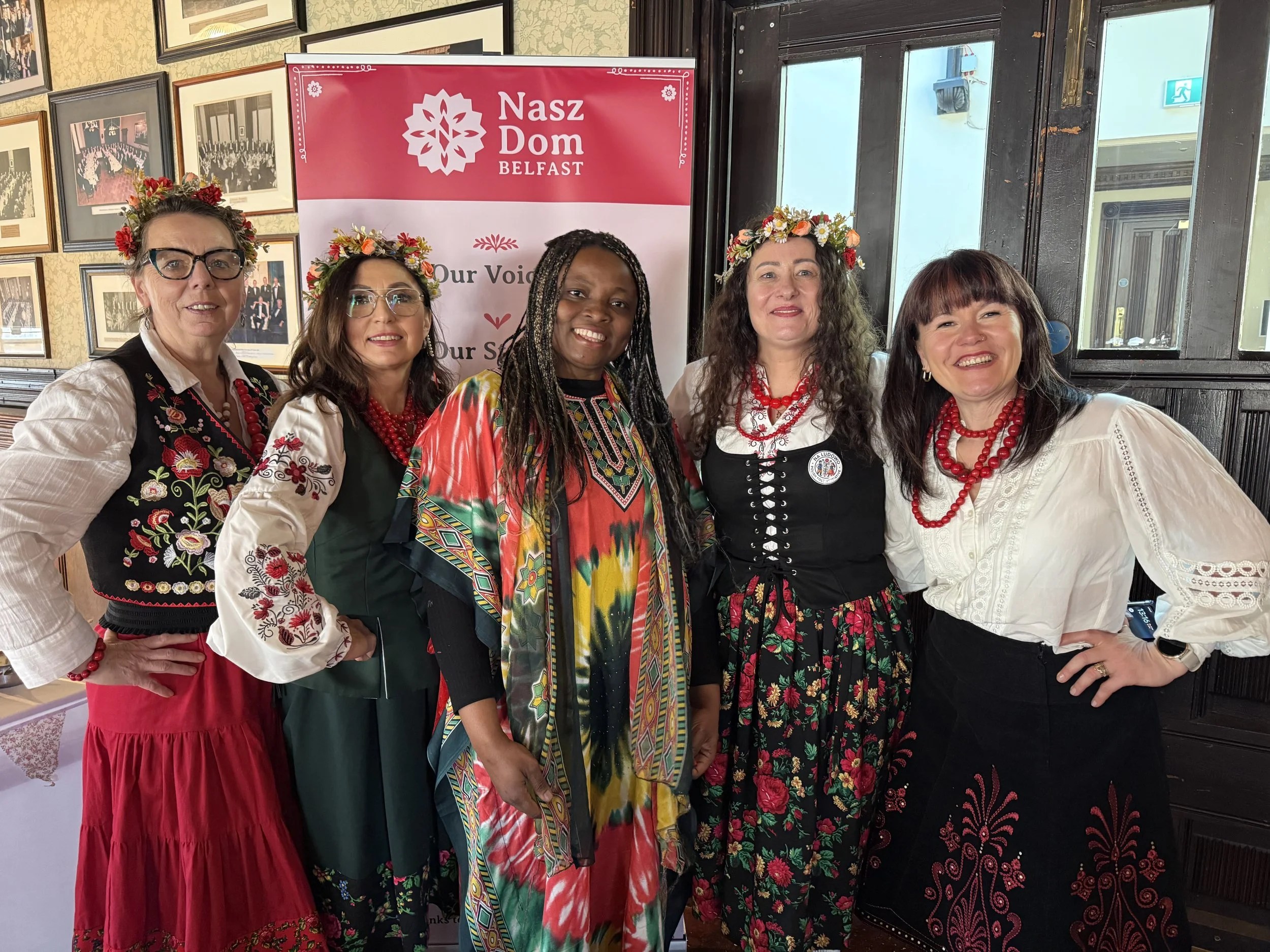
Share your story. Become part of ours.
From capturing individual voices, through preserving migration stories, to sharing and celebrating the legacy of one shared home.
-
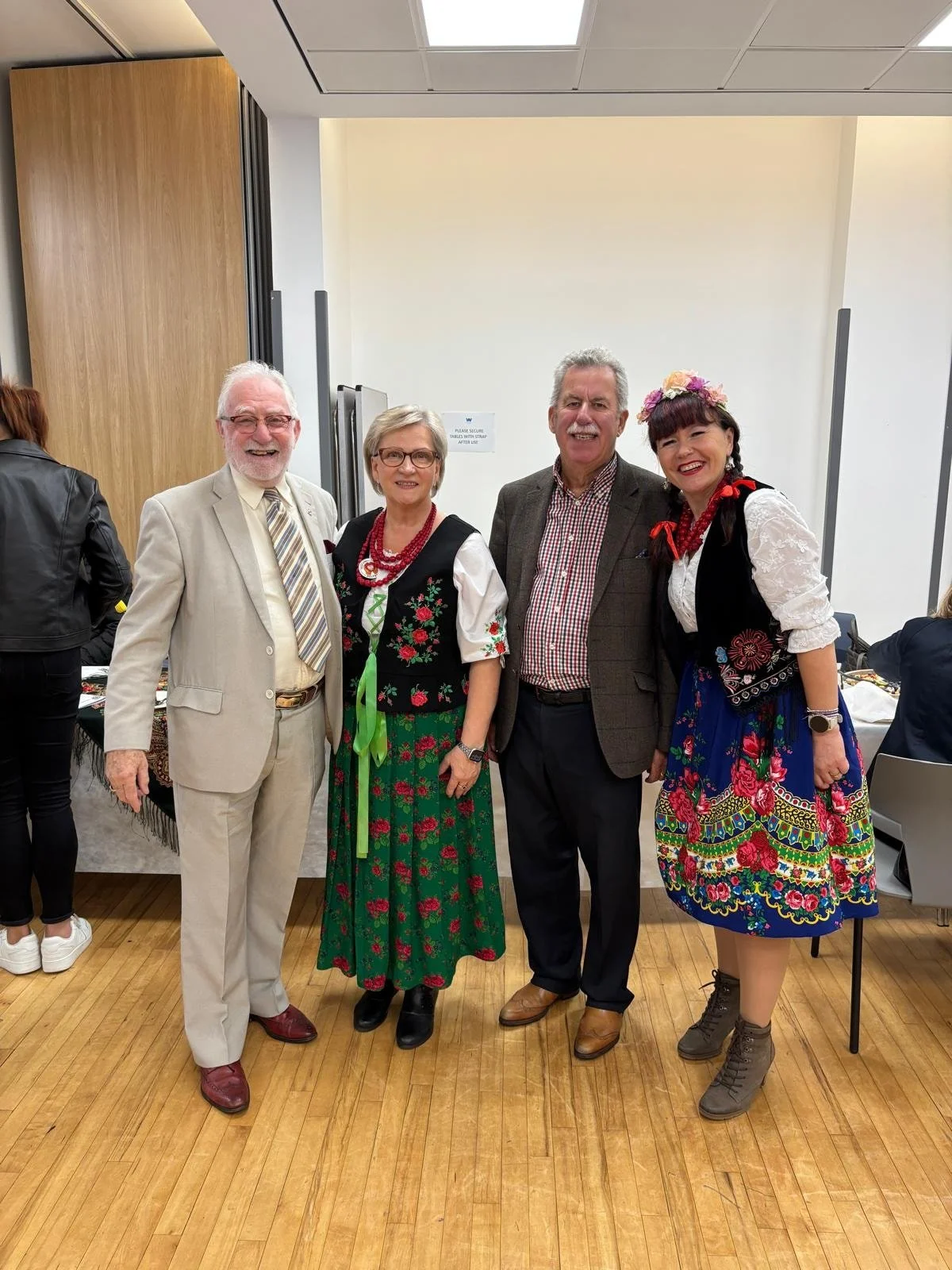
Our Voices
We will recruit and train a diverse team of volunteers in oral history techniques, empowering them to gather testimonies.
We will host storytelling workshops and community conversations to encourage personal sharing in a supportive environment.
-
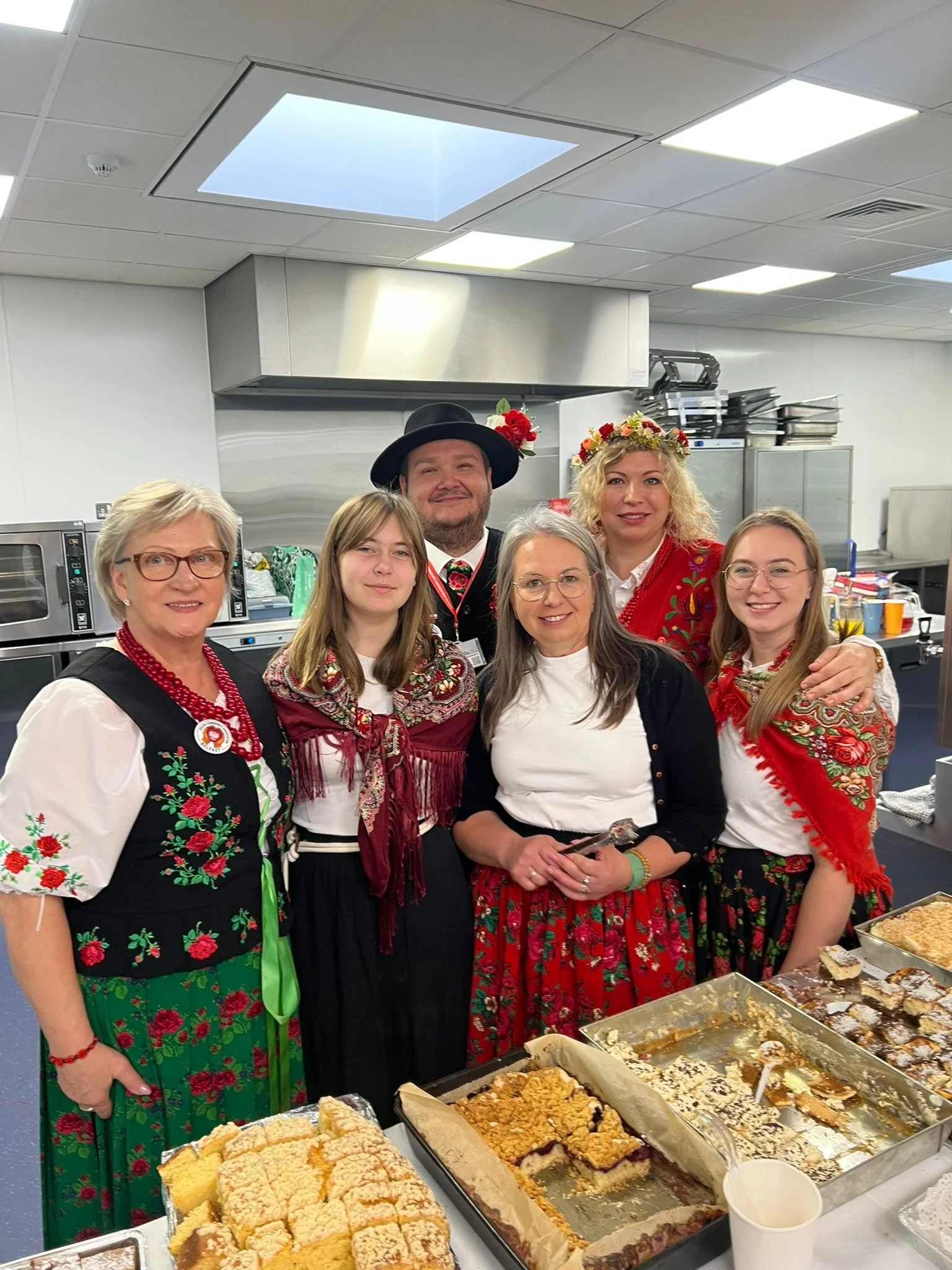
Our Stories
We will collect, preserve, and celebrate these narratives by producing a booklet of migration stories and creating a digital exhibition to ensure these experiences are accessible to all for years to come.
-
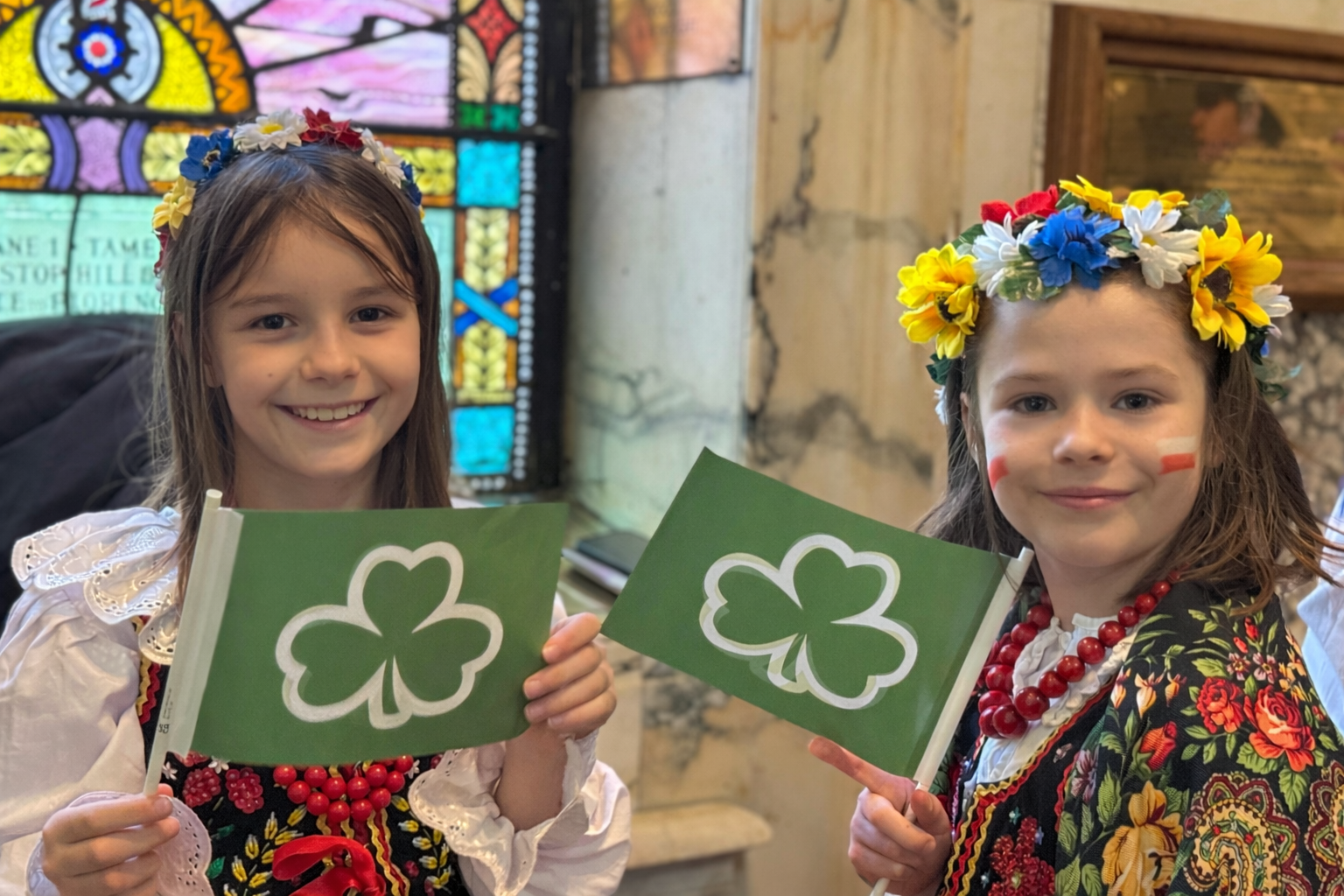
Our Future
We will foster connections through public events, such as community fairs and celebrations, using these shared stories to build understanding and strengthen the fabric of our city for the next generation.
Our stories
Hayley Yago
Nayem
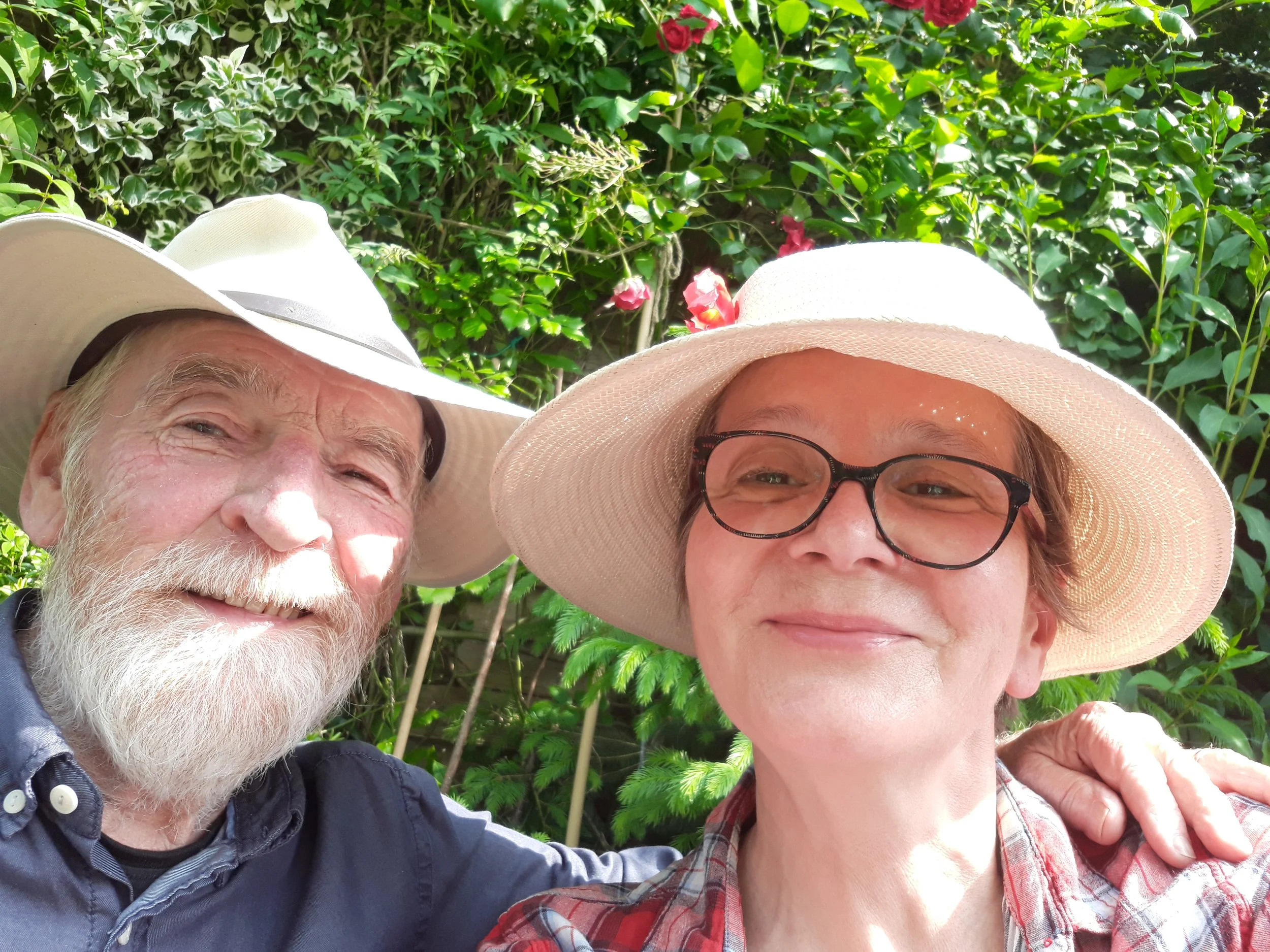
Halina & Brian
-
How did you come to Belfast? /When?
I met my husband in a pub in East Germany in June 1986 while visiting my university friend. The chat was so good that we decided to keep in touch. Letters were the only option at that time as the mobile phone wasn’t yet invented. Censorship of all correspondence with the West was ongoing. I was interested in what was going on the western side, he wanted to learn more about the East.
(It was the beginning of the end of the cold war. Poland was already changing with “The Solidarity” movement gaining strength and other east bloc countries following her example. Free Polish elections took place in June 1989 and Berlin Wall fell on the 9th of November 1989.)
My husband learnt more about the East by visiting Poland twice but I couldn’t travel to UK.
At that time the British Embassy was very reluctant to provide visas for people from the Eastern Bloc wanting to see UK. It didn’t stop us from keeping in touch and our friendship slowly changed to something deeper and resulted in a marriage. We were married in Poland in 1989 on Saint Patrick’s day.
When did you come here?
I arrived in Belfast in July 1989.
From a society in difficulties to another still experiencing difficulty.
It was a trying time, but it helped me to understand that we are all the same and have similar struggles.
While here I’ve learnt that no matter where we live, where we come from, we can all prosper and live in peace by respecting and understanding each other.
Love for my husband brought me here, but while here, I fell in love with the country and its people, who I admire for their empathy, selflessness and simple humanity. I love the banter and chat on the street with complete strangers sharing their stories. I feel safe here, and know, that no matter what, there will be someone to offer me a helping hand. I have been living here for 37 years now and call it home not only because my immediate family lives here but because it is a place and a people I feel I belong to.
What do you do?
I am retired now but for 35 years I worked as a librarian in public libraries.
During that time, for about 25 years, I also worked as an Interpreter/ translator for various agencies and for about 10 years I taught English to Polish kids and adults.
Have you lived elsewhere?
I lived for 32 years in Poland, from birth until my marriage to my Irish husband.
So I have been living in Northern Ireland, in Belfast, for the last 37 years.
Languages
I speak Polish and English and I am slowly forgetting my Russian. My German, through which I met and spoke to my husband, has more and less left me now.
Belfast sayings and traditions.
The most cherished by me is the use of the word “love” while being served in shops, offices etc.
Also the phrase “I need it like a hole in the head” which I use when telling my husband to leave me alone – I really don’t want this.
The custom that really warms my heart is total strangers greeting me with” hello”, “how are you doing”, accompanied quite often with a wee nod of the head.
What home means for you?
Main descriptions:
Family, love, safety
Home for me is many things but the one standing out is my family.
First it was my parents and 5 sisters, my grandparents and 11 uncles and aunts with their families. That was when I lived in Poland. After my marriage, my new family and parents came to the fore.
This was the time that I felt I had two homes.
Home- Poland
Home was the smell of food when entering the family house,
the smell and colours of the meadow behind my parent’s garden.
Home was the walk in the forest picking mushrooms and berries.
Home were the songs that we sang in Poland on many occasions not just Christmas carols.
Home-Northern Ireland
Now, both my parents are dead, my own family (my husband and son) is the most important element in what I call “home”.
This is here in Belfast, Northern Ireland.
Home is my small garden full of flowers, veg and fruit trees.
Home is the mist and hills of Donegal and nostalgic slow airs.
Home is people that I meet every day here and their chat and banter that is so refreshing and human, that helps me not to feel alone.
Home is a place where I feel safe and comfortable.
Where do you consider home?
After emigrating, for a very long time I wasn’t sure where my home was. I was torn between Poland and Belfast. I missed my family in Poland a lot. After each trip back to Poland, I needed some time to settle my longings. For a long time I lived in-between two homes, my parents in the small village surrounded by forest in Poland and my own in the city of Belfast.
From the perspective of time and experiences, I think these feelings must be familiar to many migrants.
Although I still hold Poland and my sisters close to my heart, the loss of my parents highlighted the shift in my sense of where my home is.
This is Belfast. Home is Belfast.
Volunteers
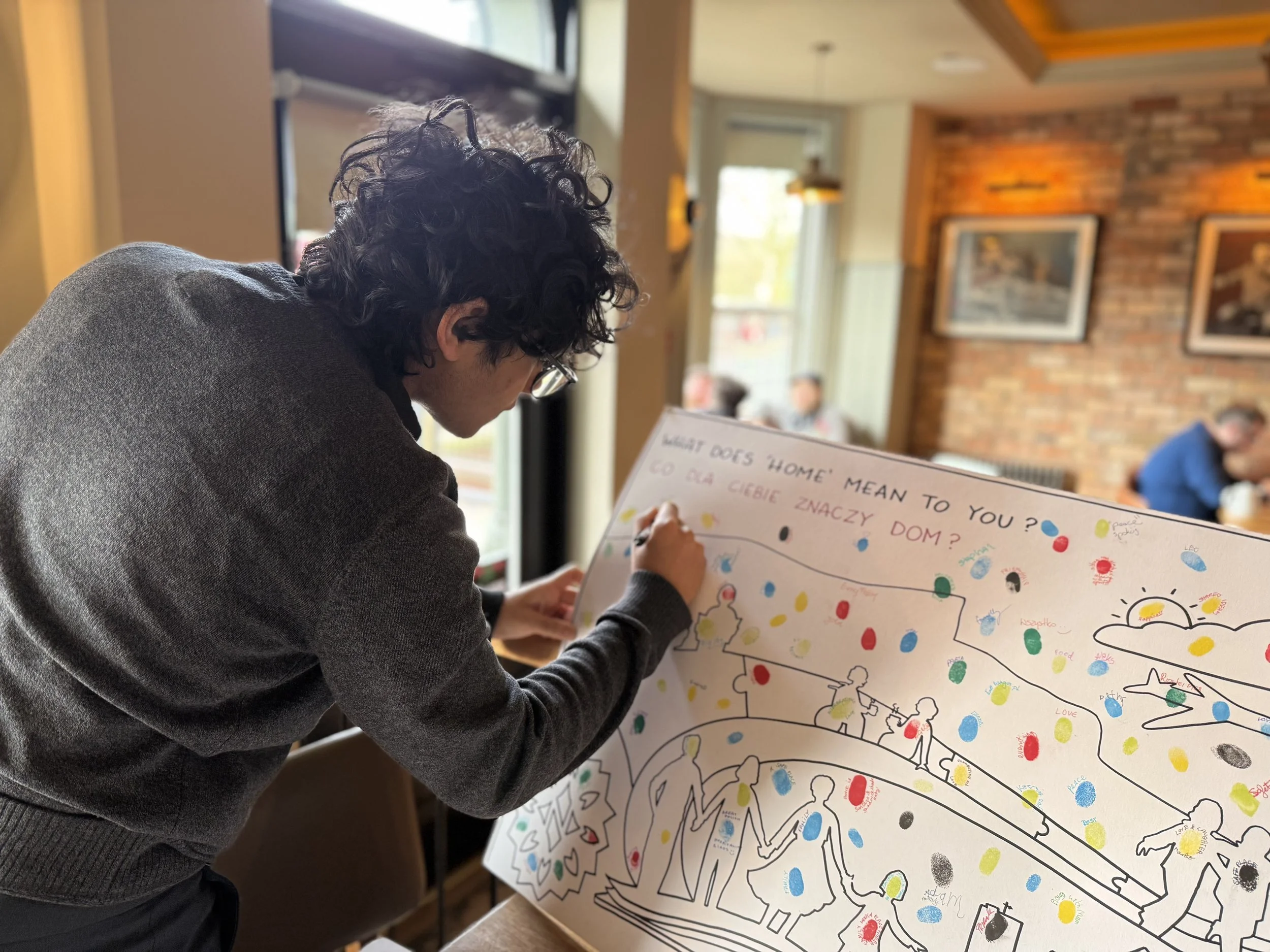
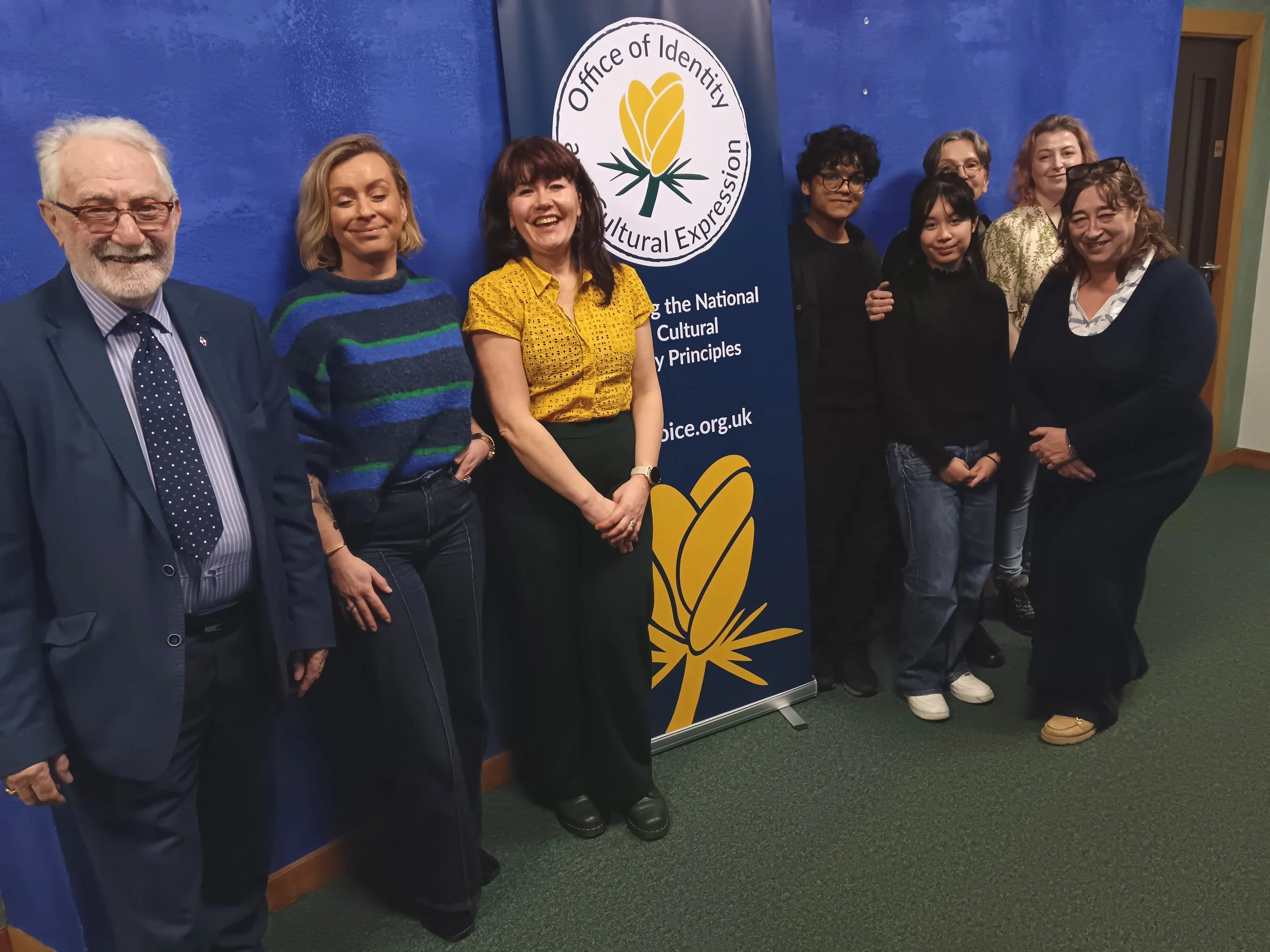
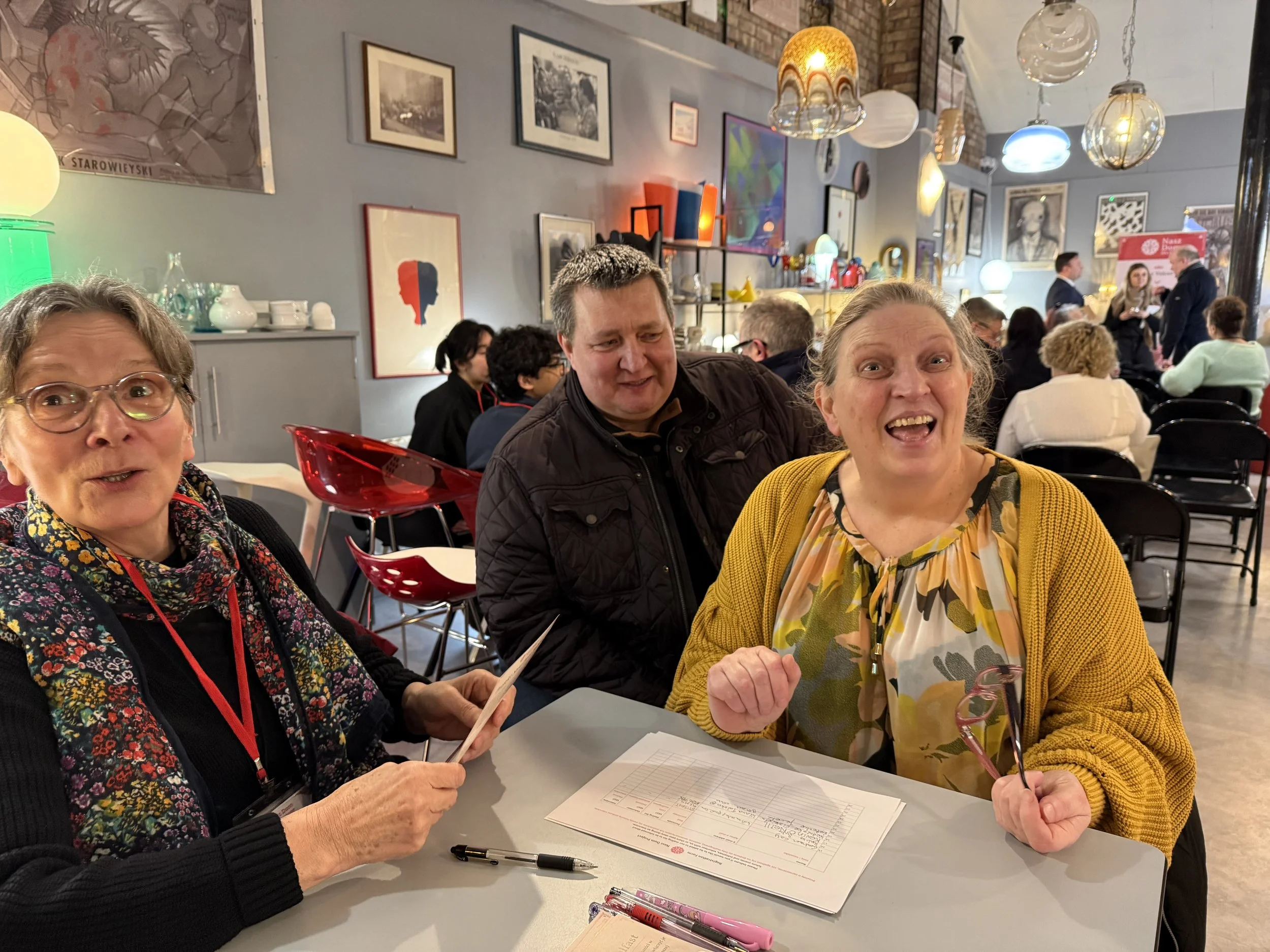
At Nasz Dom, we deeply value our volunteers and recognize them as indispensable to everything we achieve. That’s why we actively support our volunteer team with guidance, appreciation, and a welcoming community. Whether you’d like to help out with collecting stories, organising events, or filming and social media, your contribution can make a real difference.
If you want to become one of our volunteers, fill in the form below and we will get back to you.
Projekt Nasz Dom Belfast
Dokumentuje historie migracji Polaków i innych mniejszości w Belfaście. Zbieramy i zachowujemy te osobiste opowieści, aby włączyć je do naszej wspólnej historii. Razem odkrywamy przeszłość naszej społeczności i pokazujemy, jak z wielu różnych doświadczeń jeden dom.
Podziel się swoją historią. Bądź częścią naszej.
-

Nasze Głosy
Przeszkolimy zespół wolontariuszy,
którzy będą
dokumentować wspomnienia. -

Nasze Historie
Zebrane opowieści utrwalimy w formie publikacji i cyfrowej wystawy, aby zachować je dla przyszłych pokoleń.
-

Nasza Przyszłość
Zorganizujemy imprezy społecznościowe, na których celebrować będziemy wspólną historię naszego miasta.
Roinn do scéal. Bí i do chuid dár scéal féin.
Skair yer storie. Cam pairt o wirs.
Partagez votre histoire. Faites partie de la nôtre
分享您的故事。成为我们的一部分。
Μοιράσου την ιστορία σου. Γίνε μέρος της δικής μας.
Partilhe a sua história. Torne-se parte da nossa.
Comparte tu historia. Conviértete en parte de la nuestra.
شارك بقصتك. كن جزءًا من قصتنا